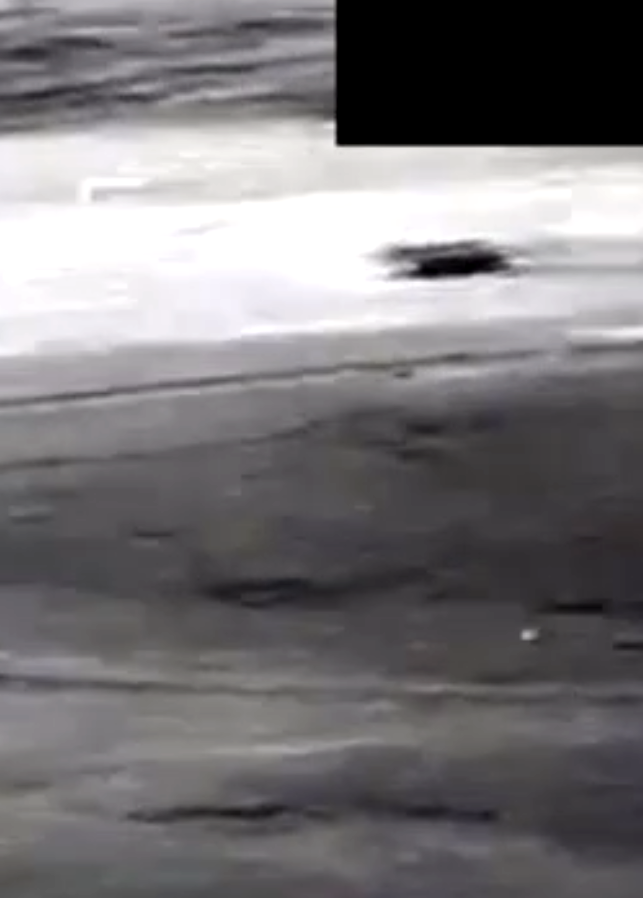
Release 2 contains a distinct provenance lane: official media whose source descriptions state that, on March 6, 2026, eight members of the U.S. House of Representatives requested access to 51 potentially UAP-related records allegedly held by the Department of War and the...
UAPs.world keeps this analysis report connected to its original source path, release context, and related analysis path so readers can inspect the evidence trail directly.
Analysis report summary
This analysis page exposes the report substance directly for readers and crawlers, while the research viewer remains the place for source inspection, frame review, and follow-up work.
Why It Matters
The archive needs a way to separate "interesting because of provenance" from "interesting because of physics." The congressional-request set is important because it gives the viewer a politically bounded corpus of official material. But the method should stay strict: congressional attention raises review priority; frame evidence decides analytic weight.
Working Assessment
The congressional-request label is a triage signal, not a conclusion. It means the item sits inside a politically selected records request and should be easy to find, compare, and revisit. It does not mean Congress verified the event as anomalous, and it does not remove conventional explanations such as aircraft, balloons, missiles, flares, sensor lock artifacts, compression, or range ambiguity. Its analytic value is different: the request creates a bounded set of official records that can be reviewed as a family. That lets the archive compare repeated patterns across commands, years, sensor modes, and case descriptions rather than treating each clip as an isolated curiosity.
Classify this source for 2 points, mark useful or misleading records for 1 point, or submit observations for curator review. Public contribution points progress through Observer, Analyst I, Analyst II, Case Builder, and Archivist and can unlock field desk themes.