Not every UAP-labeled source should enter the high-strangeness lane. The misleading list currently captures five items whose own source context supports a conventional, low-priority, or cautionary reading:
Analysis report summary
This analysis page exposes the report substance directly for readers and crawlers, while the research viewer remains the place for source inspection, frame review, and follow-up work.
Observation
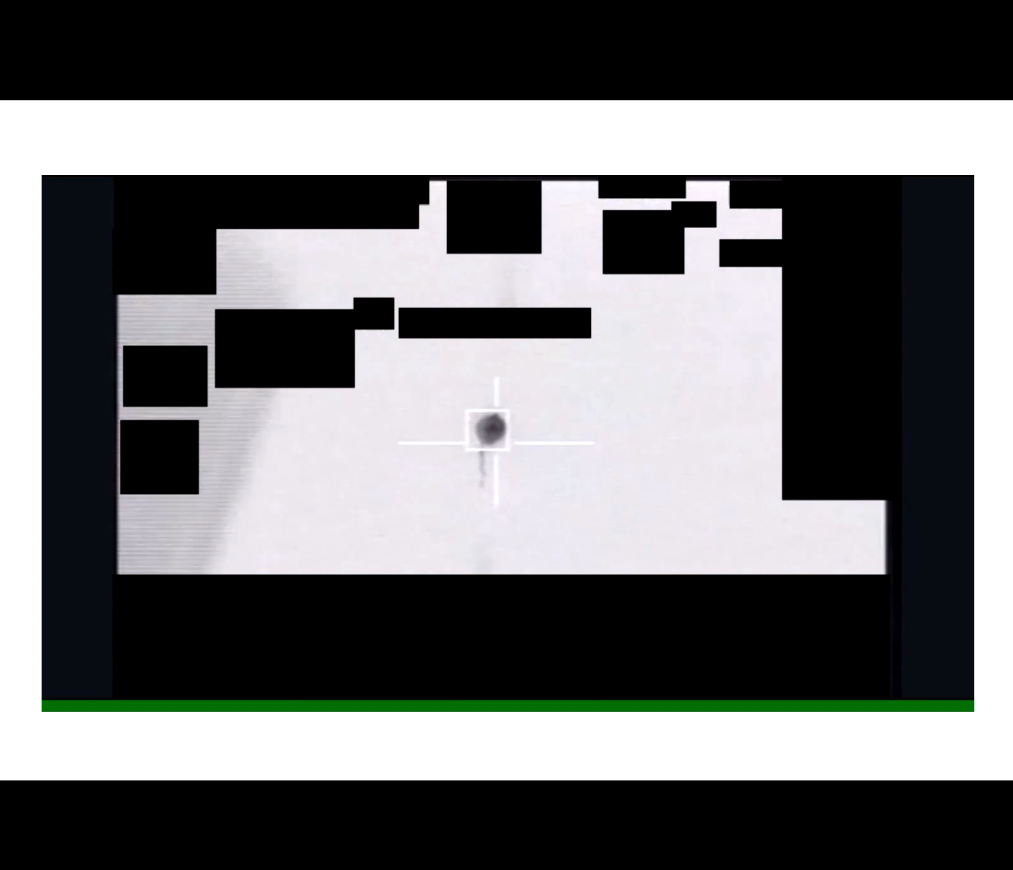
Not every UAP-labeled source should enter the high-strangeness lane. The misleading list currently captures five items whose own source context supports a conventional, low-priority, or cautionary reading: - Mission Report, Arabian Gulf, 2020: the reported object was described as looking like a balloon and traveling with the winds at about 31,000 feet. - Unresolved UAP Report, Middle East, May 2022: one observation was described as a possible missile and the remaining four as possible birds. - Mission Report, Syria, February 21, 2023: the report describes one possible balloon at about 2,100 feet. - Mission Report, Iraq, September 2024: the report identifies an IR lens flare after an AGM-176 Griffin...
Hypothesis To Test
Working hypothesis A: these cases are best used as negative controls, not as anomaly anchors. Working hypothesis B: some UAP-labeled military material is valuable precisely because it shows how ordinary objects, sensor effects, weapons effects, or ambiguous motion can be promoted into the UAP workflow. Working hypothesis C: if any of these cases later show non-conventional behavior, the reversal should be frame- or text-specific: powered maneuver, acceleration against wind, non-ballistic motion, unusual persistence, multi-sensor confirmation, or source context that defeats the conventional reading.
Why It Matters
The misleading list is a case-officer safety mechanism. It prevents the archive from becoming an undifferentiated pile where every dot, flare, and balloon-shaped object carries the same weight as a stronger field, acceleration, or interaction case. It also improves the modern-military triage layer. When video behavior and written mission reports reinforce each other, the case deserves deeper frame-by-frame analysis. When the written report itself says balloon, birds, missile, or lens flare, the correct next action is usually downgrade, not escalation.
Working Assessment
The current misleading list is analytically sound. It contains: - two balloon flags - one missile/birds mixed report - one missile/lens-flare sensor-effect case - one likely balloon-like video capture Keep these items visible through the thumbs-down list. Use them as negative controls when reviewing future videos, especially cases with simple drift, single-frame ambiguity, smooth transit, wind-following behavior, or sensor artifacts after weapon release.
Public Field Desk
Classify this source for 2 points, mark useful or misleading records for 1 point, or submit observations for curator review. Public contribution points progress through Observer, Analyst I, Analyst II, Case Builder, and Archivist and can unlock field desk themes.

![DOW-UAP-PR071, "USAF ANG F-16C (callsign [CALLSIGN]) Shoots Down UAP over Lake Huron with [Weapon System], 12 Feb 2023"](/?open=Release_2%2FAnalysis%2Fimages%2Fvideo-2605-dod-111720731-dod-111720731-20260524t170901z-capture-lead.png)